
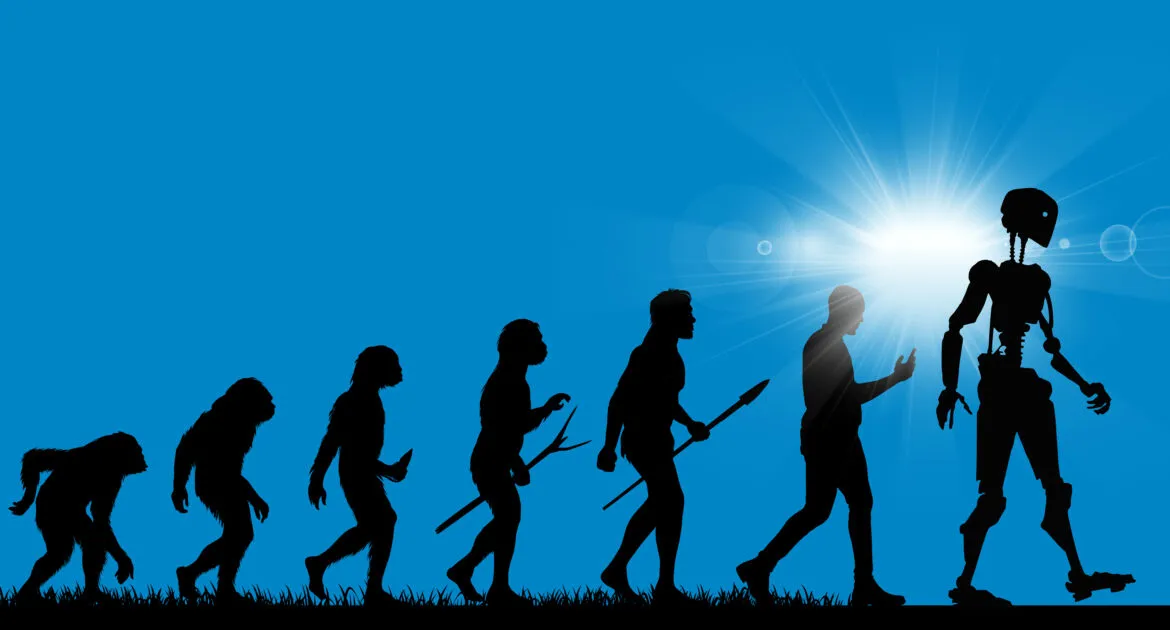

Sometimes, I like to step away from my usual tech discussions and explore other topics that catch my interest. I recently picked up Richard Dawkins's The Greatest Show on Earth, years after reading his previous titles like The Selfish Gene. Dawkins, known for his sharp ideas about evolution, writes in a way that makes complex science easy to grasp. While some of his other works are controversial, even those include important scientific insights. A key part of his style is his open talk about nature's "gritty indifference"—a view that, surprisingly, also reveals a deep and strong kind of understanding.
Unpacking Nature's Mechanism
Dawkins holds that natural phenomena can be understood through observable processes. He doesn't shy away from the often-unromantic, mechanical truths of life. He shows how lions are built for hunting and gazelles for escaping—both perfectly matched by constant natural selection. He also highlights how "selfish" parts inside our DNA work. To make these ideas clear, he uses compelling examples like the long-running experiment with E. coli bacteria led by Richard Lenski and his team, which shows evolution in jars over many years. He also contrasts the domestication of dogs against natural selection as a parallel, making the idea of selection pressures easier to understand. These examples demonstrate nature's elegant, self-organizing outcomes, grounding biological processes in observable reality rather than mystery.
For me, appreciating these natural explanations is deeply rewarding. When you look at the world through science, it shows its own complex wonder. Realizing that humans share common ancestry with a tall tree, or that a whale's bones are like ours even with completely different body plans, creates a connection to nature that feels much more powerful. It's about understanding how all life is deeply interconnected and shares a common heritage.
Connecting the Disciplines, Bridging the Gaps
Dawkins also makes science easier to understand by skillfully connecting different fields. He brings together ideas from old bones (paleontology) and rocks (geology) with biology. This creates a full story where Earth's ancient layers back up the amazing tale of life's evolution. This way of linking different sciences acts like a "peer review," showing how strong and connected the natural world's big story is. It clearly shows how seemingly random things, when put together, are beautifully woven.
Sometimes, his comparisons—like talking about biology as if it were computer programs or everyday situations—might seem too simple. One of his most memorable analogies even describes the scientific process as a murder mystery scene. But these efforts are key to making his work so widely available. They help turn very complex ideas into things people can easily relate to. Even if the comparisons aren't always perfect, they do a great job of making science understandable for everyone.
The Real Wonder Revealed
If you're looking for a compelling read that explores biology through scientific inquiry, Dawkins's books are highly recommended. By embracing the often-plain truths of natural selection and how living things work mechanically, his writing doesn't lessen the wonder of existence. Instead, he highlights a world of profound, interwoven complexity and a unique, clear understanding that is all the more compelling because it's real. His works invite you to see the world with a new, well-informed, and appreciative view.